
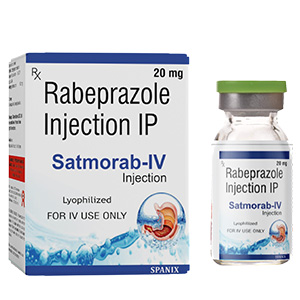

Rabeprazole Injection IP | Satmorab-IV
Satmorab-IV: Rabeprazole Injection IP for Acid Relief Guide
Satmorab-IV is an injectable formulation of Rabeprazole Sodium, a powerful proton pump inhibitor designed for rapid acid suppression. This intravenous medication provides immediate relief for patients experiencing severe gastric acid-related conditions when oral administration is not feasible. As a prescription medication, it represents an essential treatment option in hospital and clinical settings.
How Satmorab-IV Works
Rabeprazole belongs to the proton pump inhibitor (PPI) class of medications that work by blocking the final step of acid production in the stomach. It specifically targets the hydrogen-potassium ATPase enzyme system, commonly known as the proton pump, located in gastric parietal cells. By inhibiting this pump, Satmorab-IV significantly reduces stomach acid secretion, allowing damaged tissues to heal and preventing further acid-related complications.
The injectable form ensures rapid onset of action, making it ideal for acute situations where immediate acid suppression is critical. Within hours of administration, patients typically experience substantial reduction in gastric acid production.
Primary Medical Uses
Healthcare professionals prescribe Satmorab-IV for various serious gastric conditions. It effectively treats gastroesophageal reflux disease (GERD) in patients unable to take oral medications, providing quick relief from severe heartburn and acid reflux symptoms.
The medication proves invaluable in managing peptic ulcer disease, including both gastric and duodenal ulcers, especially when bleeding complications arise. It creates an optimal healing environment by maintaining low acid levels in the stomach.
Zollinger-Ellison syndrome, a rare condition causing excessive acid production, responds well to Satmorab-IV therapy. The medication helps control hypersecretion and prevents serious complications associated with this disorder.
Pre-operative use before certain surgical procedures helps prevent aspiration pneumonitis by reducing gastric acid volume and acidity. Post-surgical patients who cannot swallow medications also benefit from this injectable alternative.
Administration and Dosage
Satmorab-IV is administered exclusively by healthcare professionals through intravenous injection or infusion. The standard dose is typically 20 mg once or twice daily, though your doctor may adjust this based on condition severity and individual response.
The medication is reconstituted with appropriate diluents following strict pharmaceutical protocols. It should be administered slowly to ensure patient comfort and optimal therapeutic effect. Treatment duration varies depending on the underlying condition and clinical response.
Benefits of Injectable Formulation
The intravenous route offers distinct advantages over oral PPIs. It provides guaranteed drug delivery in patients with nausea, vomiting, or swallowing difficulties. Unconscious or critically ill patients who cannot take oral medications receive effective acid suppression through Satmorab-IV.
The rapid bioavailability ensures faster symptom relief compared to oral formulations. This becomes particularly important in emergency situations involving active bleeding ulcers or severe esophagitis requiring immediate intervention.
Safety and Precautions
While generally well-tolerated, patients should inform their doctor about existing medical conditions, particularly liver problems, osteoporosis, or low magnesium levels. Pregnant or breastfeeding women require careful evaluation before starting treatment.
Long-term PPI use may increase risks of bone fractures, vitamin B12 deficiency, and low magnesium levels. Your healthcare provider will monitor these parameters during extended therapy.
Possible Side Effects
Common side effects include headache, nausea, diarrhea, and abdominal pain. These typically resolve without intervention. Injection site reactions such as pain or redness may occur but are usually mild.
Serious adverse effects, though rare, require immediate medical attention. These include severe allergic reactions, irregular heartbeat, muscle spasms, or persistent diarrhea that may indicate Clostridium difficile infection.
Important Considerations
Satmorab-IV may interact with certain medications, including blood thinners, anti-fungal drugs, and HIV medications. Always provide your healthcare team with a complete list of current medications and supplements.
Patients should not abruptly stop treatment without medical supervision, as rebound acid hypersecretion can occur. Your doctor will develop an appropriate tapering schedule when discontinuing therapy.
Conclusion
Satmorab-IV (Rabeprazole Injection IP) serves as a vital therapeutic option for managing severe acid-related gastric conditions when oral treatment is impractical. Its rapid action and reliable efficacy make it indispensable in acute care settings.


Reviews
There are no reviews yet.